
The Sunscreen Shift I Made After Cancer
It's almost summer in Chicago — one of the many reasons I love living here.
When the weather finally turns warm, the city comes alive. Festivals fill the parks, patios overflow with friends gathering for dinner, and the beaches along Lake Michigan become packed with families, runners, paddle boarders, and sun seekers. Unlike New Yorkers who escape the city heat to the Hamptons, Chicagoans tend to mostly stay put (if they aren’t in Michigan or Wisconsin) and soak up every minute of summer.
As a kid, I practically lived outside. If I wasn't in the pool, I was riding my bike, playing sports, or spending entire afternoons in the sun. We wore sunscreen, of course, but thirty years ago there wasn't nearly as much discussion about ingredients, UV exposure, or long-term health effects as there is today.
After my breast cancer diagnosis, chemotherapy, and radiation treatments, my relationship with sun protection changed.
I still love feeling the warmth of the sun on my skin. I still appreciate that healthy, summer glow. But today, I'm much more mindful about how I protect myself. I care not only about preventing sun damage, but also about understanding the ingredients I'm putting on my body.
As I began researching sunscreen options, I discovered that choosing a sunscreen isn't always as straightforward as grabbing the highest SPF bottle on the shelf.
SPF Isn't the Whole Story
Most of us have been taught that a higher SPF means better protection. While SPF matters, it only tells part of the story.
SPF stands for Sun Protection Factor and primarily measures protection against UVB rays—the rays responsible for sunburn. A measure of how much solar energy (UVB) is required to produce sunburn on protected skin relative to unprotected skin. What SPF doesn't adequately reflect is protection from UVA rays, which penetrate deeper into the skin and are associated with premature aging, skin damage, and melanoma.
Organizations like the Environmental Working Group (EWG) have found that many sunscreens provide significantly less UVA protection than consumers might expect based on the SPF number alone.
In other words, SPF 70 isn't necessarily twice as protective as SPF 35.
What About the Ingredients?
One of the most surprising things I learned was that several common sunscreen ingredients can be absorbed into the bloodstream.
In a 2019 FDA-funded study published in JAMA, researchers found that ingredients such as oxybenzone were absorbed at levels that exceeded the FDA's threshold for additional safety testing.
That doesn't automatically mean these ingredients are harmful. What it does mean is that scientists are still working to better understand their long-term effects.
“Evidence is mounting of the endocrine-disrupting effects of two of the ingredients, oxybenzone and octinoxate. Studies have also highlighted concerns about endocrine-disrupting effects of other ingredients, such as homosalate, avobenzone, octisalate and octocrylene, although evidence is more limited.
In 2021 the European Commission Scientific Committee on Consumer Safety published final opinions on the safety of three non-mineral ultraviolet, or UV, filters, oxybenzone, homosalate and octocrylene. It concluded that homosalate and oxybenzone aren’t safe in the amounts they’re used. This led the European Union to lower the amount of these filters allowed in certain sunscreens.
The U.S. has different standards, since sunscreen manufacturers are legally allowed to use homosalate and oxybenzone at concentrations higher than the European limits.” - https://www.ewg.org/sunscreen/report/the-trouble-with-sunscreen-chemicals/
As someone who has already experienced cancer, that uncertainty matters to me.
Many health-conscious consumers now choose mineral sunscreens containing zinc oxide or titanium dioxide because these ingredients sit on top of the skin and reflect UV rays rather than being absorbed in the same way as chemical filters.
Ingredients I Personally Try to Avoid
When reading labels, I pay close attention to:
Oxybenzone
Octinoxate
Octocrylene
Homosalate
Avobenzone
Products with undisclosed fragrance
Aerosol sunscreen sprays
Again, the goal isn't fear. It's awareness for myself and my family..
We make informed choices about the food we eat, the products we clean our homes with, and the skincare we use every day. Sunscreen deserves the same consideration.
Finding Balance
One thing I've learned through cancer recovery is that wellness isn't about perfection.
The sun isn't the enemy.
Our bodies need sunlight. Time outside improves mood, supports circadian rhythms, encourages movement, and helps us connect with nature and each other.
The goal isn't avoiding the sun completely. The goal is to enjoy it responsibly.
For me, that means:
Wearing sunscreen on my body daily in the sunny and warm weather
Wearing sunscreen on my face daily, all year
Choosing mineral-based formulas when possible (see some of my favorites below)
Reapplying regularly
Wearing hats, protective headwear, swim hats and clothing
Seeking shade during peak sun hours
Being mindful of ingredient transparency
My Simple Sunscreen Checklist
When shopping for sunscreen, here's what I look for:
1. Choose a formula you'll actually use.
The best sunscreen is the one you'll wear consistently.
2. Prioritize mineral protection.
Look for zinc oxide-based formulas that provide broad-spectrum UVA and UVB coverage.
3. Skip the unnecessary extras.
Avoid products with undisclosed fragrance and questionable ingredients when possible.
4. Don't obsess over SPF numbers.
Consistent application matters far more than chasing the highest SPF on the shelf.
5. Use trusted resources.
Tools like EWG's Healthy Living app can help simplify ingredient research while shopping.
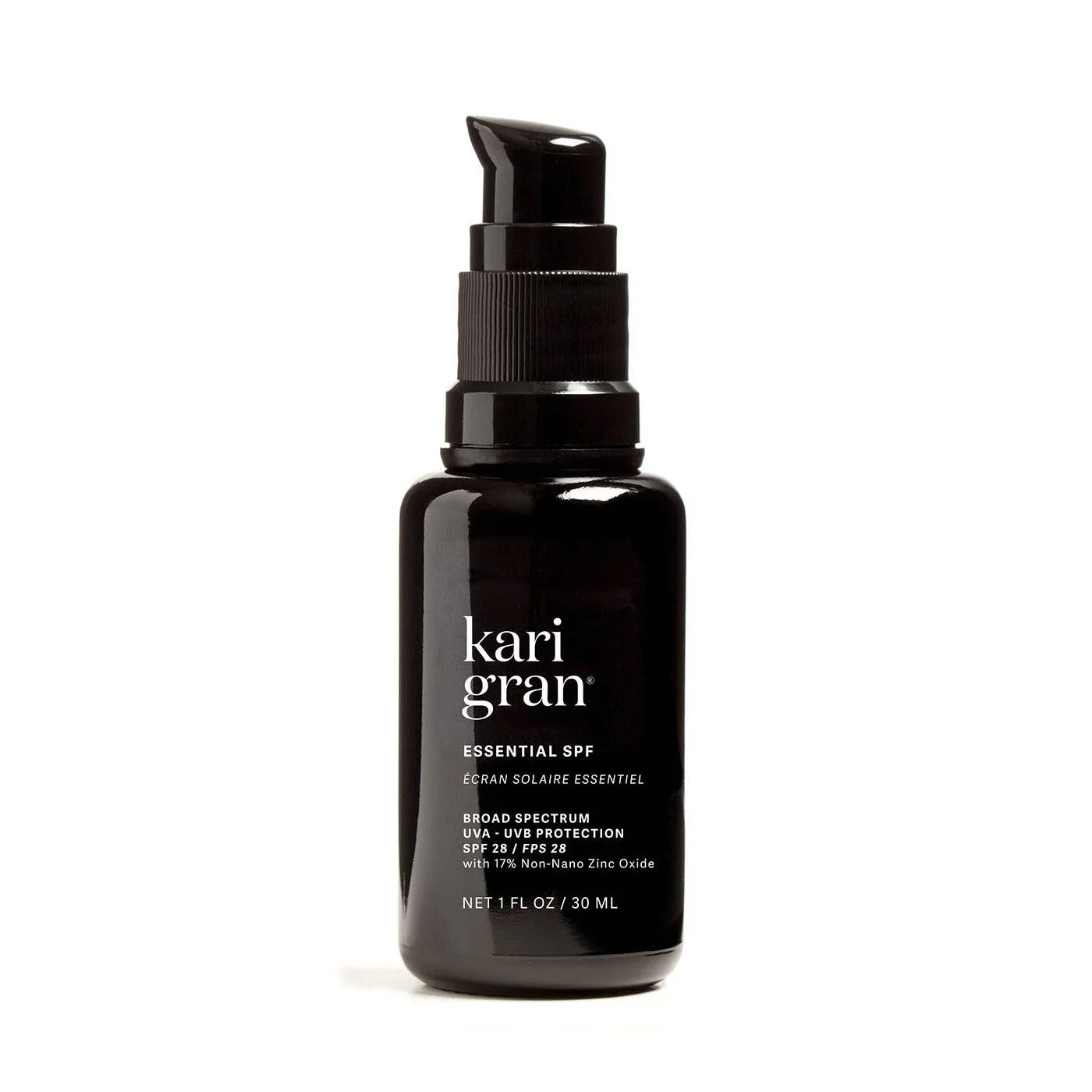
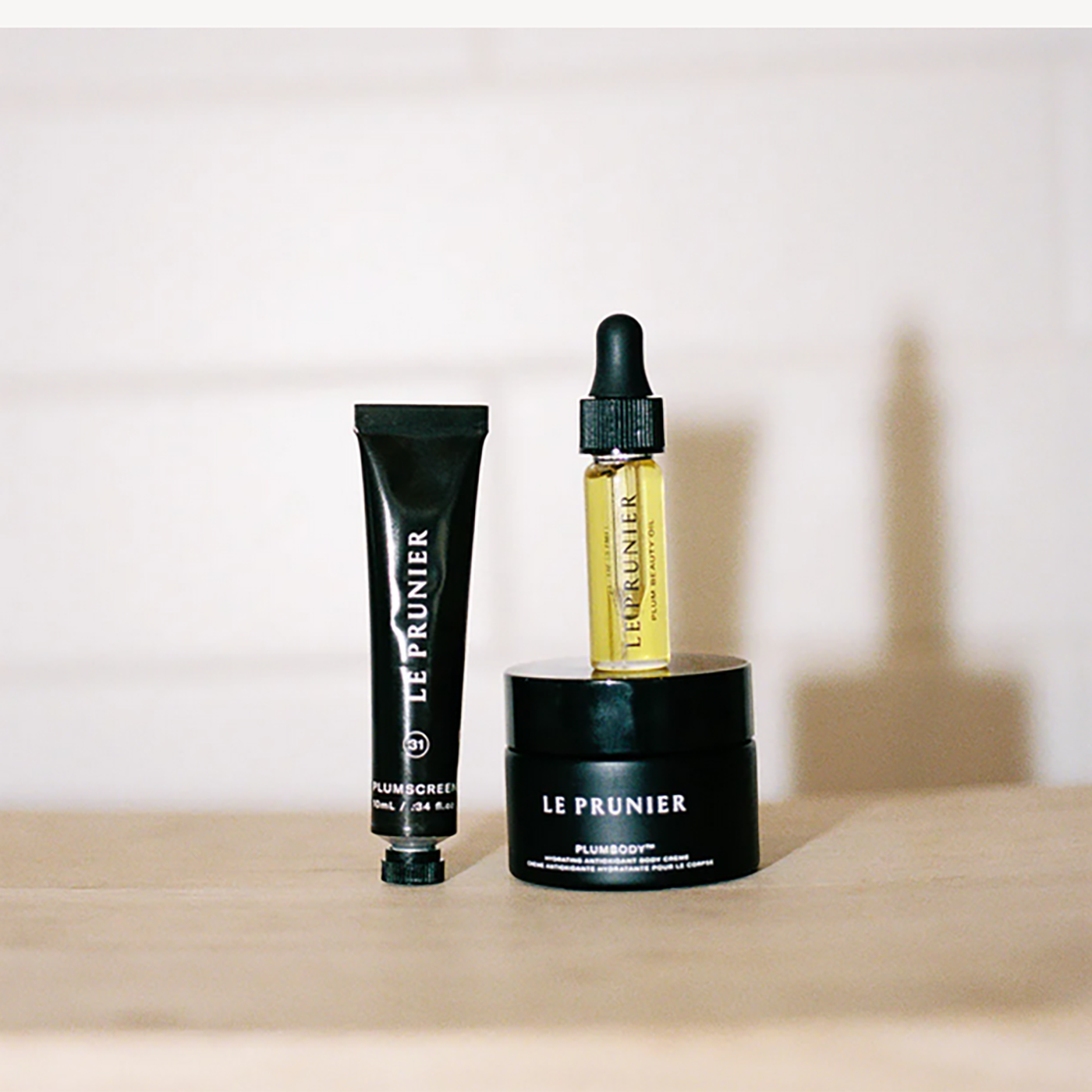
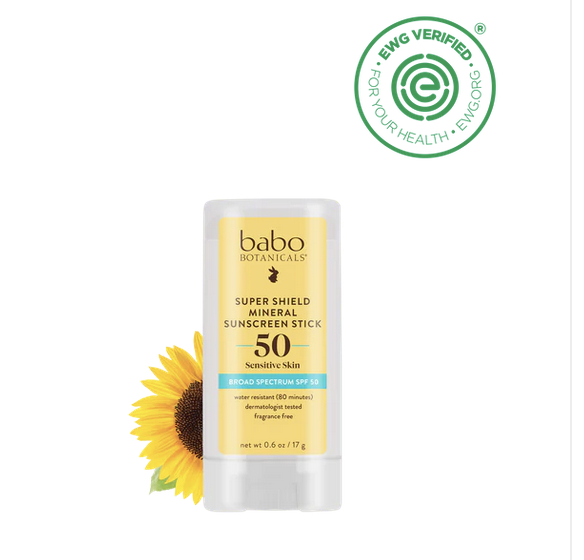
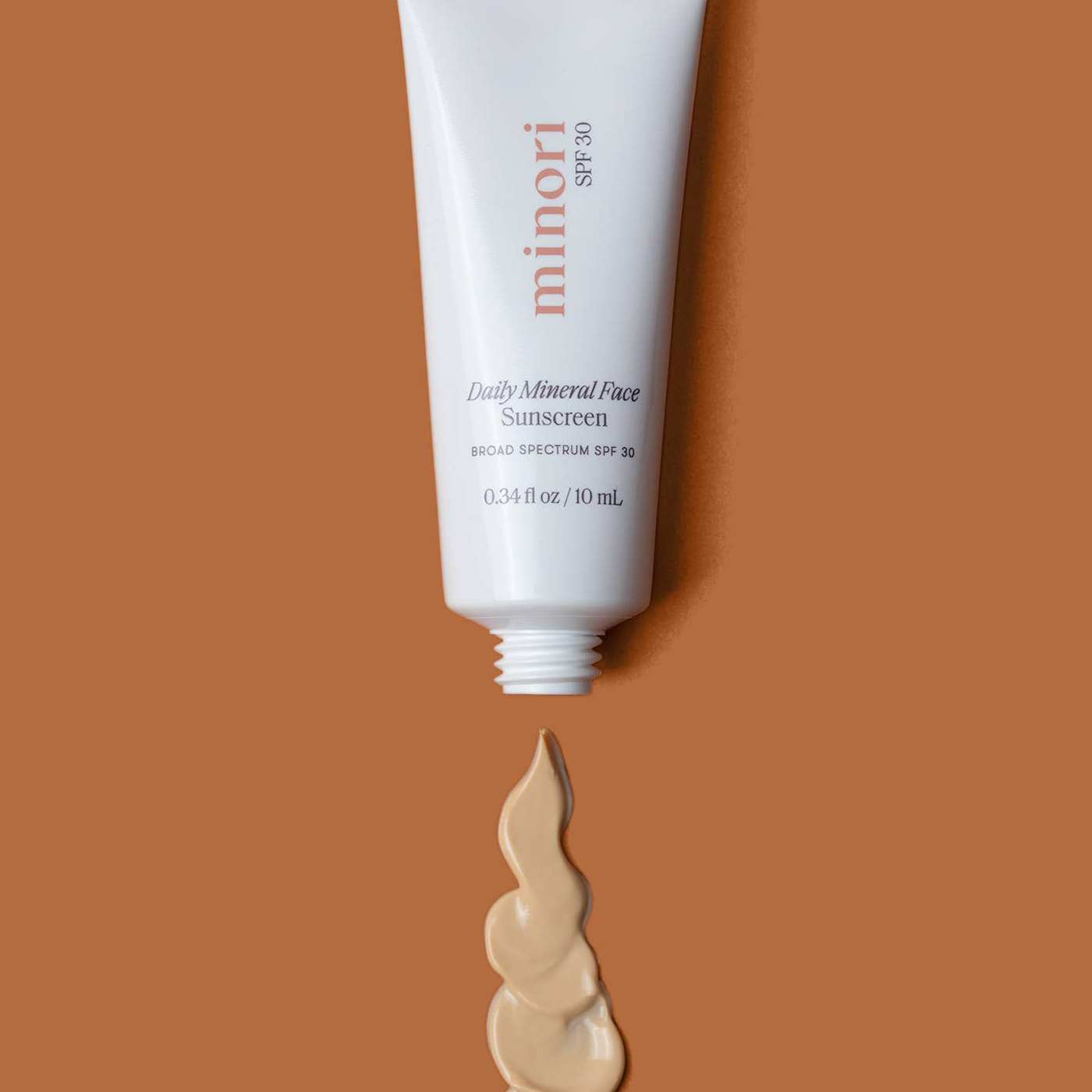
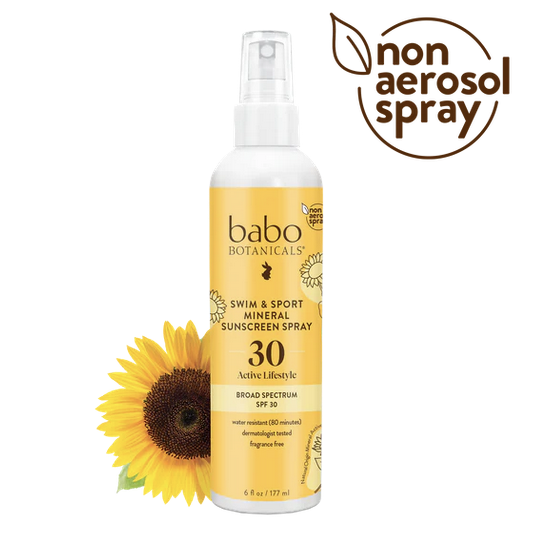
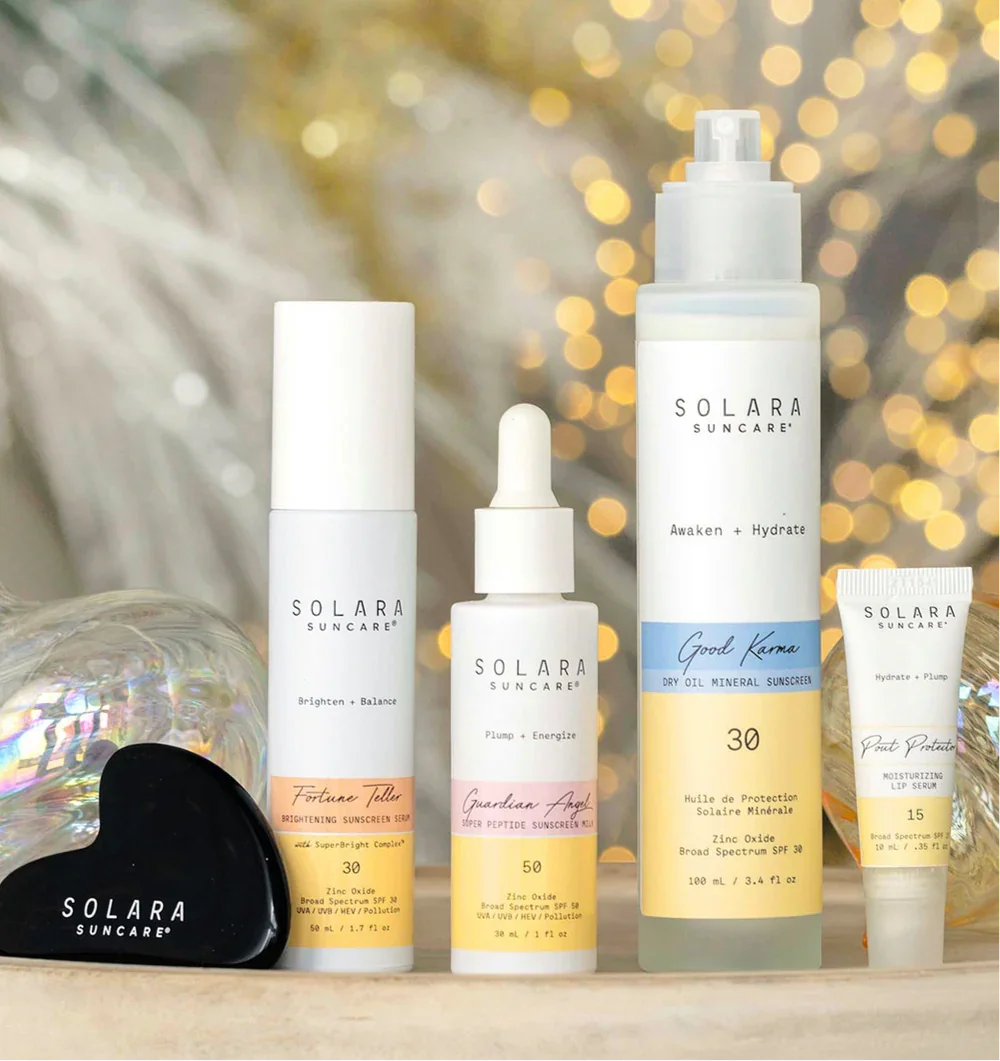
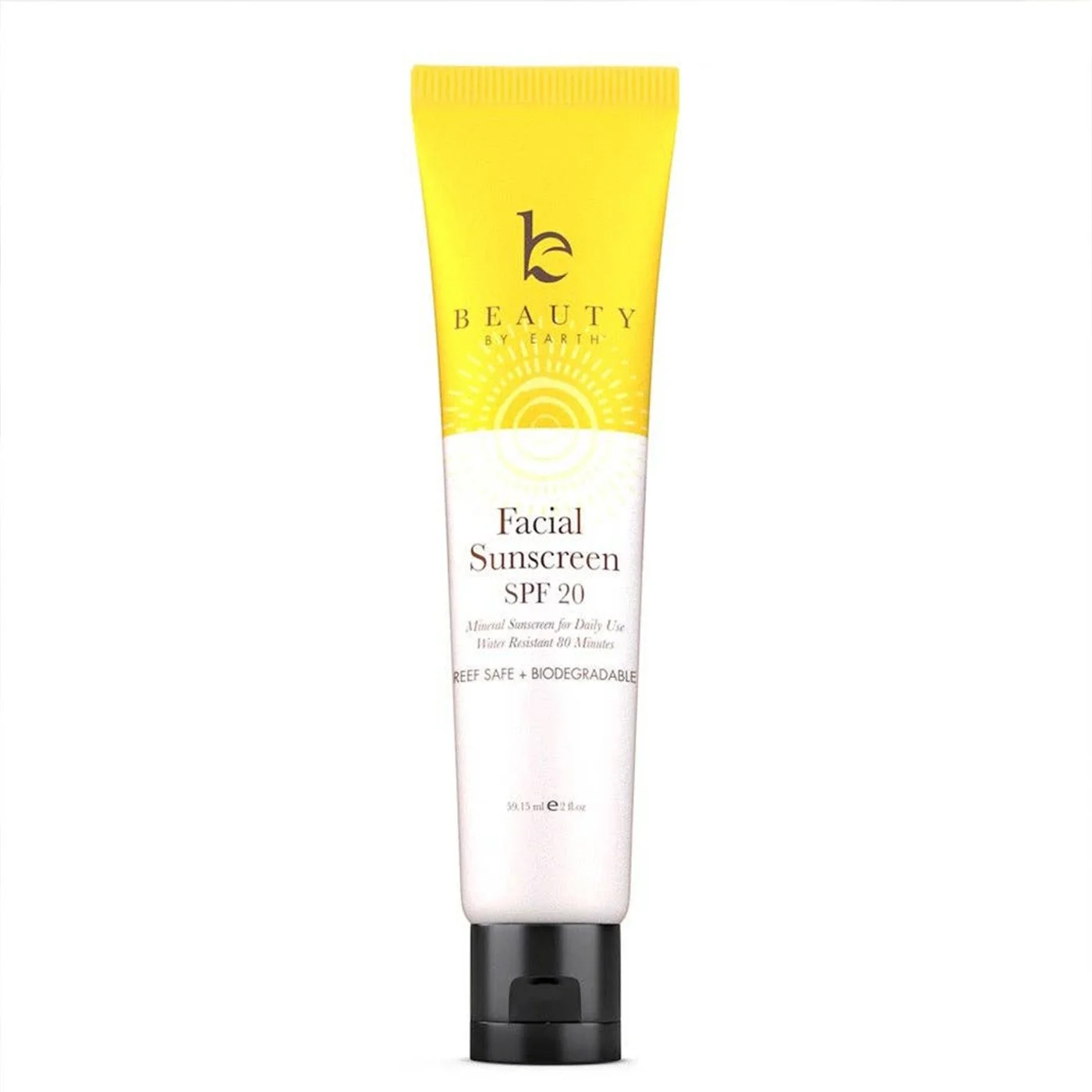
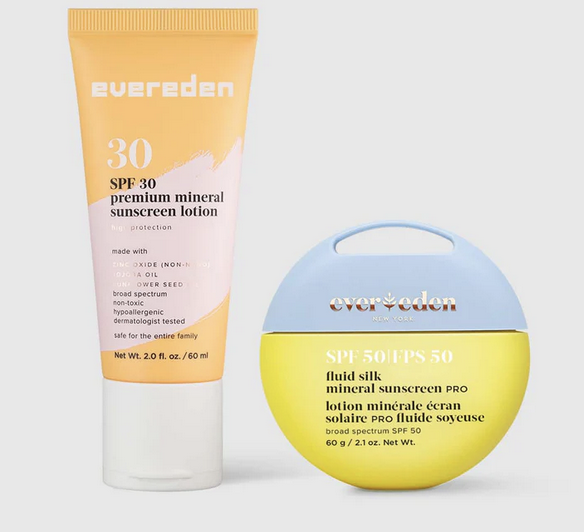
These Are A Few Of My Favorites
Badger
Earth Mama (*)
Pipette (*)
*I use for my kids
Living Well Under the Sun
Cancer changed many things about how I care for my body, but it didn't take away my love for summer.
Today, wellness looks less like perfection and more like purposeful. It's learning, asking questions, making informed choices, and enjoying life anyway.
So this summer, you'll still find me outside—walking along Lake Michigan, attending neighborhood festivals, throwing water balloons with my kids (who have on SPF head to toe), and soaking in all the beauty that Chicago has to offer.
Just with a little more sunscreen, a little more knowledge, and a lot more gratitude.
For more information head to:

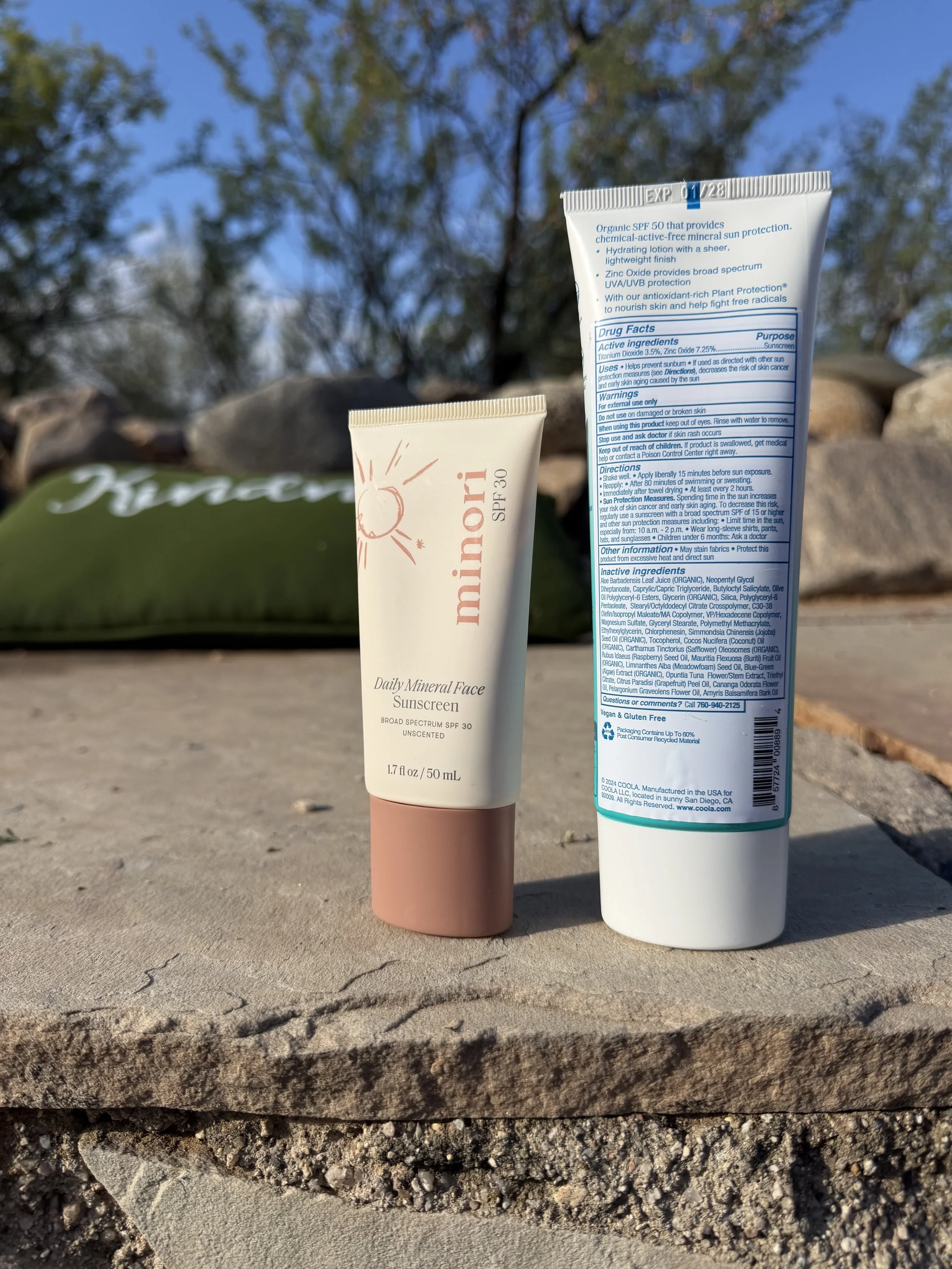
*In this hoto (with no hat on), I have on Minori sunscreen on my face and Coola Mineral sunscreen. I also had a hat on after the photo was taken!